

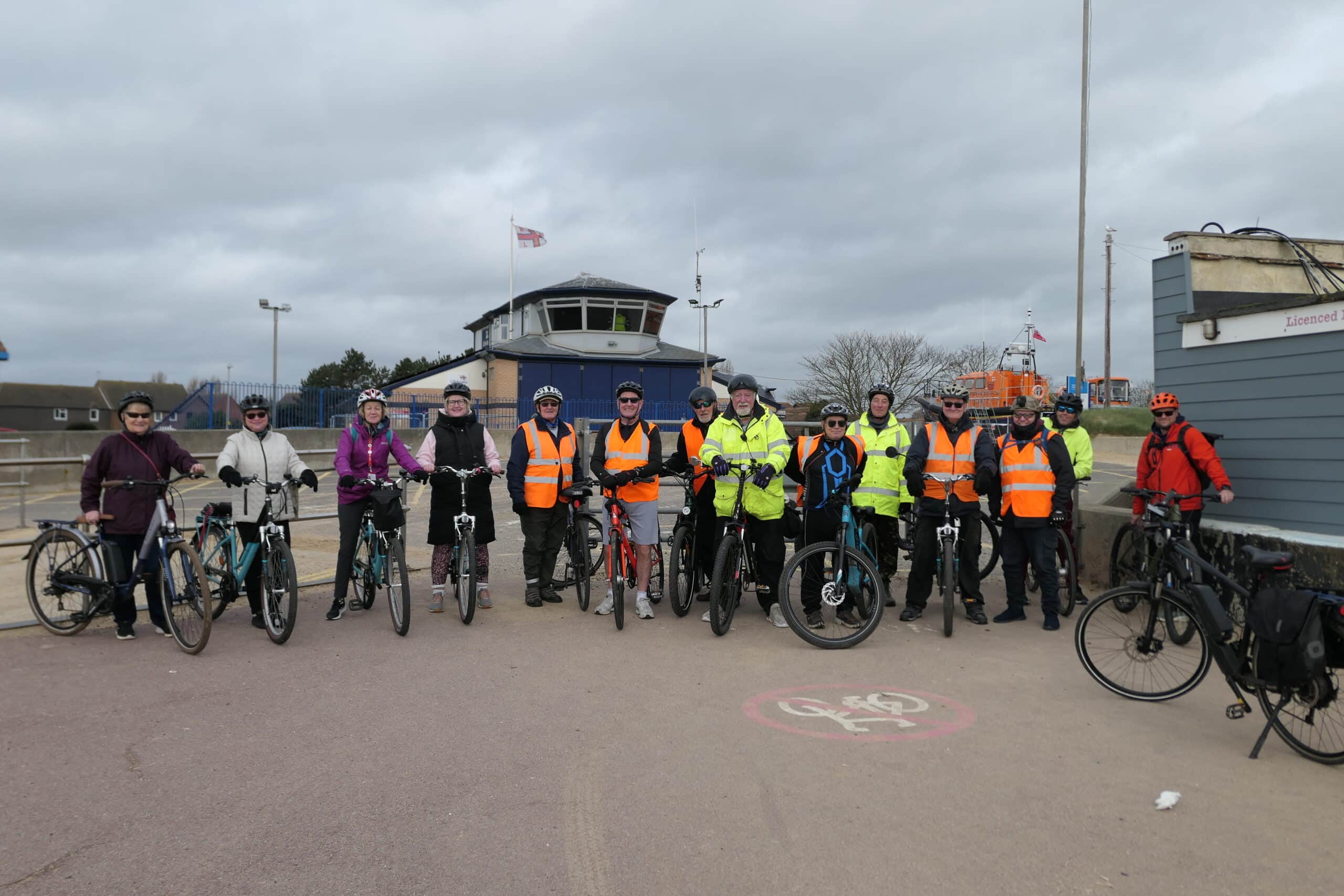
Active travel isn’t just a transport choice, it’s a catalyst for healthier communities, stronger local economies, and more connected places. As Bike Week shines a national spotlight on cycling, it’s the perfect moment to take a deeper look at how Active Essex’s ‘Better Connected and Accessible Spaces’ outcome is reshaping neighbourhoods, tackling inequalities, and building momentum for long‑term change across the county.
This past year, Active Essex has accelerated efforts to create better connected and accessible places, embedding active travel into planning, infrastructure, and community life. The work is ambitious, collaborative, and grounded in the belief that where people live should support how they want to move.
Active Travel as a Driver of Health, Connection and Opportunity
Active Essex’s Connected Spaces work is rooted in a simple but powerful idea: when places are designed for movement, people move more. And when people move more, everything from health outcomes to social connection improves.
Several initiatives have been central to this shift:
- Essex Cycle Grant – expanding beyond traditional cycling groups to reach new audiences, increasing opportunities for people who might never have considered cycling before.
- Essex Pedal Power – distributing free and refurbished bikes to residents in disadvantaged communities, improving access to employment, education, and essential services.
- Love to Ride – engaging over 500 individuals in cycling challenges, with plans to boost workplace participation next year.
- Scoot Safe and school‑based programmes – embedding sustainable travel habits early and demonstrating how infrastructure around schools can unlock safer, more active journeys.
These efforts aren’t just about cycling for leisure. They’re about removing barriers, building confidence, and making active travel a realistic option for everyone, regardless of postcode or income.
Linking to Local Priorities and Tackling Inequalities
Active travel is deeply connected to Essex’s wider priorities, from reducing health inequalities to improving environmental sustainability. Many of the county’s most disadvantaged communities face limited transport options, higher inactivity levels, and fewer safe spaces to be active, which is why programmes like Essex Pedal Power play such a vital role by providing free bikes to those who need them most, helping residents build confidence and skills, and improving access to jobs, training, and community life. This positions active travel as a powerful social justice tool rather than just a health intervention.
At the same time, embedding Sport England’s Active Design Principles into new developments ensures neighbourhoods are designed to support movement, safety, and social connection, helping residents feel a sense of belonging that encourages them to use local spaces more actively. With over half of the Active Essex team now carbon literate, the organisation is also modelling the behaviours it promotes, recognising that reducing reliance on cars through active travel directly supports Essex County Council’s environmental ambitions and national sustainability goals.
What’s Driving Progress?
Progress across Greater Essex is being fuelled by a combination of targeted investment, strong partnerships, and community leadership. Targeted investment so far includes:
- £7.1 million from Active Travel England is enabling more strategic planning and better resource allocation.
- Active Thames funding has brought over £32,000 into the county to activate blue spaces.
- Places and Spaces grants are revitalising community facilities in areas with the highest inactivity levels.
Partnerships and Community Leadership
Active Essex’s place‑based approach ensures that decisions are shaped by local voices rather than imposed from above, with partnerships and community leadership driving meaningful change. This can be seen in the collaboration with schools to redesign travel routes, the work with libraries and local organisations to activate community spaces, the support provided to local authorities in developing Local Cycling and Walking Infrastructure Plans (LCWIPs), and the engagement of public leisure providers in reimagining how their services can better support wellbeing. Together, these efforts represent system change in action with communities leading, and institutions enabling.
Progress and Remaining Challenges
Progress across Connected Spaces is clear, with more residents feeling that places to be active are inclusive, infrastructure planning increasingly shaped by community insight, cycling initiatives reaching new audiences and reducing inequalities, and partnerships across planning, leisure, education and environmental sectors stronger than ever.
At the same time, challenges remain. Workplace engagement in active travel is still low despite individual enthusiasm through Love to Ride, infrastructure improvements take time and are not yet felt equally across all communities, sustained funding is needed to move beyond short‑term gains, active design principles are not yet embedded in every new development, and shifting long‑held travel habits requires patience and consistent messaging. Being open about these realities strengthens the credibility of the Connected Spaces approach, recognising that meaningful change at this scale is complex and rarely linear.
Why This Matters During Bike Week, and Beyond
Bike Week is a celebration of cycling, but across Greater Essex it’s also a reminder of what’s possible when active travel becomes part of everyday life. The Connected Spaces outcome shows that:
- Cycling can reduce inequalities
- Infrastructure can shape healthier behaviours
- Community‑led design creates places people love
- Investment in active travel pays dividends across health, economy, and environment
Essex is building a future where active travel isn’t an add‑on, it’s a foundation.
Read more about our outcome work here: https://www.activeesseximpact.org/connected-spaces