
Inclusivity starts with the spaces we share. Parks and public spaces should be welcoming environments for everyone, yet for many teenage girls it can feel intimidating or inaccessible.
This month, as part of our Women and Girls Like Us campaign, we are sharing the importance of Inclusivity. What better way than to highlight the incredible work of Make Space for Girls. They are an organisation that dedicate themselves to creating spaces that are truly accessible to everyone and are providing a platform for girl’s voices to be heard.
Why Inclusivity in Parks Matters
Research shows that most park areas for teens, such as skateparks and fenced pitches, are used highly by boys which leave girls with very few options of spaces to relax, play, and connect with others. In fact, in the 2023 Parkwatch Survey that Make Space for Girls conducted, it showed that 92% of teenage users of fenced pitches were boys and young men, as were 84% of skatepark users. This gender imbalance causes girls to often feel as if there is no space for them to use and be active.
Teenage girls have stated:
“I feel like it feels a lot more vulnerable and self-conscious being a girl at a park as they’re normally dominated by males”.
“Areas dominated by boys are quite threatening, intimidating, off-putting, scary. Limits where girls can relax.”
Inclusivity is not just about the structure and design of an area, it’s about creating an environment that everyone can enjoy and feel welcome.
Projects Making a Difference
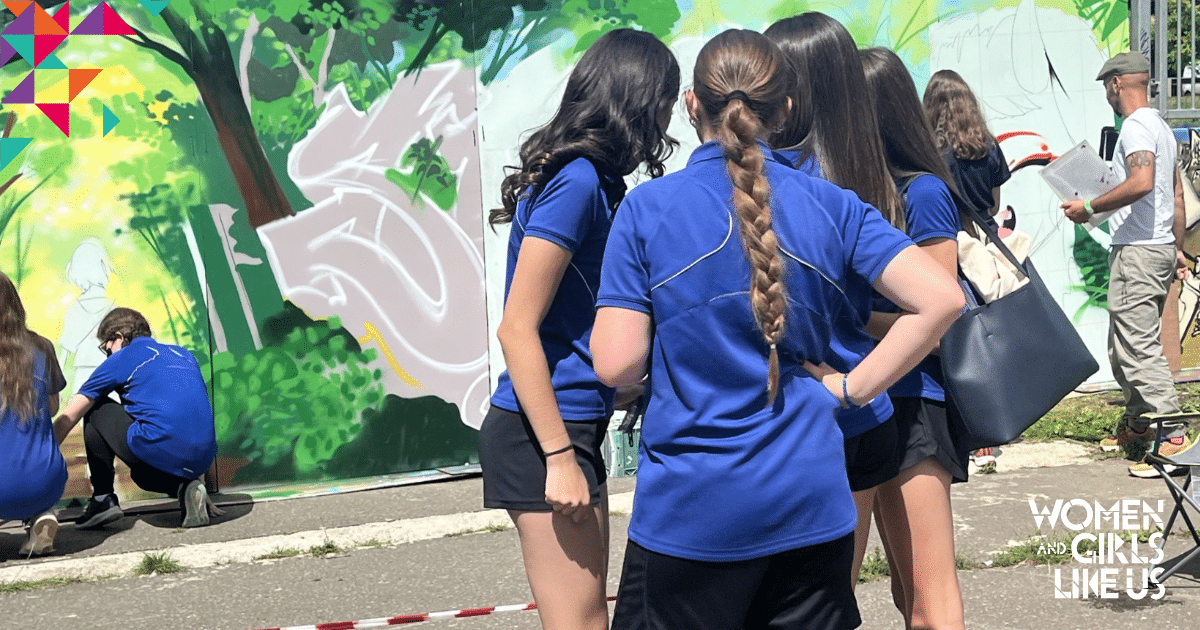
Over the past two years Make Space for Girls have been working on the Chelmsford Project, a collaboration between Chelmsford City Council, Active Essex, and the Essex Police, Fire & Crime Commissioner. Together, they explored how they currently use public spaces and what changes would make parks feel more welcoming. Over the course of the project, they have worked with 52 Year 9 students across four schools in Chelmsford, Maldon, and South Woodham Ferrers, as well as 11 young women from a Basildon youth group.
The award-winning project started as part of Chelmsford’s work on Violence Against Women and Girls (VAWG) and then progressed into a community-led initiative that gives girls voices a platform to be heard in making decisions for park spaces.
If you want to read more about the project you can do so here
Barriers, Challenges, and Hopes for the Future
When speaking with the people behind Make space for Girls, it became clear that they have faced a number of barriers when trying to implement these spaces. It has not been as simple as adding a few benches or signs. For a long amount of time parks and open green spaces have been seen as the default space for teenagers which become the norm for young boys to dominate. Changing this mindset has been one of the biggest hurdles to overcome for them.
Another challenge being the lack of alternative designs and real data. While some companies are starting to test new designs for teen spaces, there’s hardly any follow-up to see what actually works once they’re installed. They explained that without being able to monitor and learn, the progress has been slow. Then there’s the behaviour side of things, boys often feel like these spaces are ‘theirs’ while girls say they feel like they’re in the way, even if they’re great skaters or want to enjoy the use of open green spaces. The solution isn’t telling girls to be more confident; it’s about changing how these spaces are designed and changing views, so everyone feels they can enjoy the environment.
Teenage girls have told them:
“To walk past a skate park and see that it’s filled with men and boys deters and intimidates me from using that space even though I skate.”
However, despite these challenges, the vision for the future for Make Space for Girls hopes to see councils, planners, designers, and communities working together to create parks where teenage spaces are genuinely shared. When asked what their goal is, they explained that they hope that “when today’s toddlers hit their teenager years, we’ll be seeing 50/50 boys and girls using all teen play provision in the park.” Because inclusivity benefits everyone, when girls feel safe and welcome, parks become vibrant, social spaces for all.