

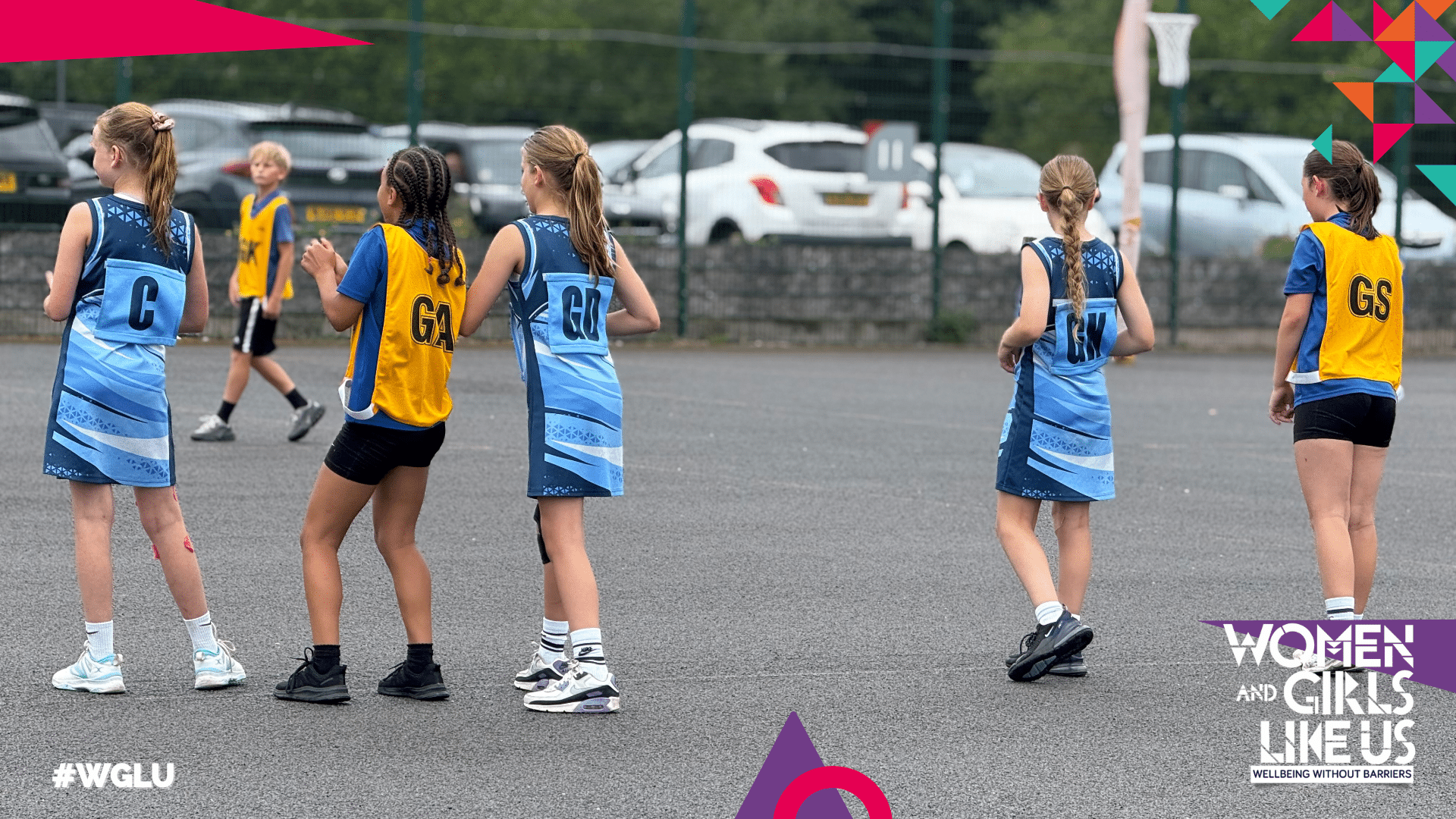
Every year, National Girls & Women in Sport Day invites us to celebrate women’s achievements in sport. But it also gives us a moment to stop and reflect on what should be a more important question: why do so many girls stop taking part in the first place?
When answering this, its often answered around confidence, motivation and/or ability. More often than not we regularly hear that girls “aren’t sporty enough”, “lose interest”, or “just aren’t good at sport”. However, for many girls, they face a barrier that isn’t talent or effort but is a sense of belonging in a space where they sometimes feel unwelcome, under represented or accepted, and so its hard for them to feel that sport is a place for them. In fact, Women in Sport’s research shows that 1.3 million teenage girls who once considered themselves ‘sporty’ drop out of exercise and physical activity after primary school, highlighting the scale of this.
Women and girls want to feel welcome when they arrive in such spaces, without the worry of feeling judged and like they must look a certain way or move and perform in a certain way in order to take part. They want to see people that look like them, in age, background, body type and ability. So that they can think that this could be a space for me too.
Unfortunately for many girls their early experiences with physical activity do not always support that feeling. For example, school PE can be a place where a lot of girls feel comparison and pressure, as well where performance is visible to others and mistakes feel like they’re in public display. Gender stereotypes still to this day shape expectations which influences which sports girls feel like they are ‘meant’ to enjoy. Then adding in the pressure to compete, to have the necessary skills and to keep up with others, it’s really easy to see how sport and physical activity can feel uncomfortable for so many rather than empowering.
When girls don’t feel like they fit in and like they don’t belong, participation in this can become a whole lot harder, no matter how capable and how much they want to join in. This can make it really hard to grow confidence and so motivation can slowly fade. This is why it’s so important to create welcoming and inclusive places where everyone feels like they belong.
Visibility is so important, when girls see women active in all kinds of ways across different ages, abilities and body types as well as backgrounds, physical activity begins to feel more relatable and less intimidating. In the 2025 Women in Sport report, only 23% of girls say they dream of reaching the top in sport (down from 38% in 2024), highlighting how stereotypes and unequal experiences reduce ambition even as women’s sport grows. These everyday examples matter to young girls. It shows that there isn’t just one version of what ‘active’ women should look like and that there is space for everyone. Physical activity should be social, supportive, gentle or simply enjoyable. Starting points don’t matter, and progress looks different for everyone. When girls are shown that movement can fit into their lives in ways that feel right for them, confidence then has the space to develop naturally.
This is why National Girls & Women in Sport Day is so valuable. It’s not just about celebrating success at the highest level, but about recognising participation in every way. It’s a chance to highlight everyday stories, challenge outdated expectations, and encourage environments where girls feel welcome from the moment they arrive.
We want to create a future where girls feel able to stay active not just because they feel pressured to perform but because they feel like they belong. Women and Girls Like Us exists to challenge the idea that sport is only for a certain type of person. It recognises that women and girls have different experiences with physical activity, different levels of confidence and different starting points and that all of that is ok!
This campaign helps encourage women and girls feeling confident in every activity from the moment they arrive. Everyone should feel supported whether they are a beginner or returning and no one should be expected to change who they are to fit in. It’s about meeting women and girls where they are, not where they’re told they should be.
When physical activity feels accessible, supportive and judgement‑free, participation becomes less daunting. Belonging comes first and from that, confidence, enjoyment and long‑term engagement can begin to grow naturally.